


The Origin and Evolution of International Women’s Day
Every year on March 8, the world celebrates International Women’s Day (IWD) — a global day dedicated to honoring the achievements of women and advocating for gender equality.
Today, International Women’s Day is marked by rallies, social campaigns, corporate initiatives, and gestures of appreciation such as gifting flowers. However, its origins are deeply rooted in activism, labor movements, and the fight for women’s rights.
Let’s explore how this important day began and how it has evolved over time.
The Early Beginnings: Women’s Rights and Labor Movements
The roots of International Women’s Day trace back to the early 20th century — a time of rapid industrialization, harsh working conditions, and growing demands for political and economic equality.
1908 – The March for Rights
In New York City, 15,000 women marched through the streets demanding shorter working hours, better pay, and voting rights. This became one of the first large-scale public demonstrations advocating for women’s rights.
1909 – National Women’s Day
Inspired by these movements, the Socialist Party of America declared the first National Women’s Day, observed in the United States on February 28, 1909.
These early protests laid the foundation for what would soon become an international movement.
The Birth of International Women’s Day
The idea of a global day dedicated to women gained momentum during the International Socialist Women’s Conference in Copenhagen in 1910.
German activist Clara Zetkin proposed the creation of an international day where women worldwide would unite to advocate for equal rights.
1911 – First International Celebration
The first International Women’s Day was celebrated on March 19, 1911, in Austria, Denmark, Germany, and Switzerland. More than one million people participated in rallies supporting women’s suffrage, labor rights, and protection from discrimination.
1913–1914 – March 8 Becomes the Date
The celebration eventually moved to March 8 and became a platform for protests against war and inequality across Europe and Russia.
A Turning Point: The Russian Revolution
One of the most significant moments in the history of International Women’s Day occurred in Russia in 1917.
Women went on strike demanding “bread and peace” during World War I. Their protest helped ignite the Russian Revolution. Shortly afterward, women gained the right to vote in Russia.
From that point forward, March 8 was officially recognized as a national holiday in the Soviet Union and later adopted by other countries.
Global Recognition and Expansion
Throughout the 20th century, International Women’s Day evolved into a worldwide symbol of women’s rights and empowerment.
1975 – United Nations Recognition
The United Nations officially recognized March 8 as International Women’s Day during International Women’s Year.
1996 – Annual Themes Introduced
The UN began introducing annual themes, starting with “Celebrating the Past, Planning for the Future.” Themes have since addressed issues such as economic empowerment, leadership, education, and ending violence against women.
2000s–Present – Global Celebration
In recent decades, International Women’s Day has expanded beyond activism into social, cultural, and corporate recognition. Businesses, governments, and communities now use the day to celebrate women’s achievements and promote gender equality initiatives.
How International Women’s Day Is Celebrated Today
International Women’s Day is now recognized in over 100 countries and is a national holiday in many.
Celebrations often include:
🎤 Rallies and Protests – Advocating for equal pay, reproductive rights, and protection from discrimination.
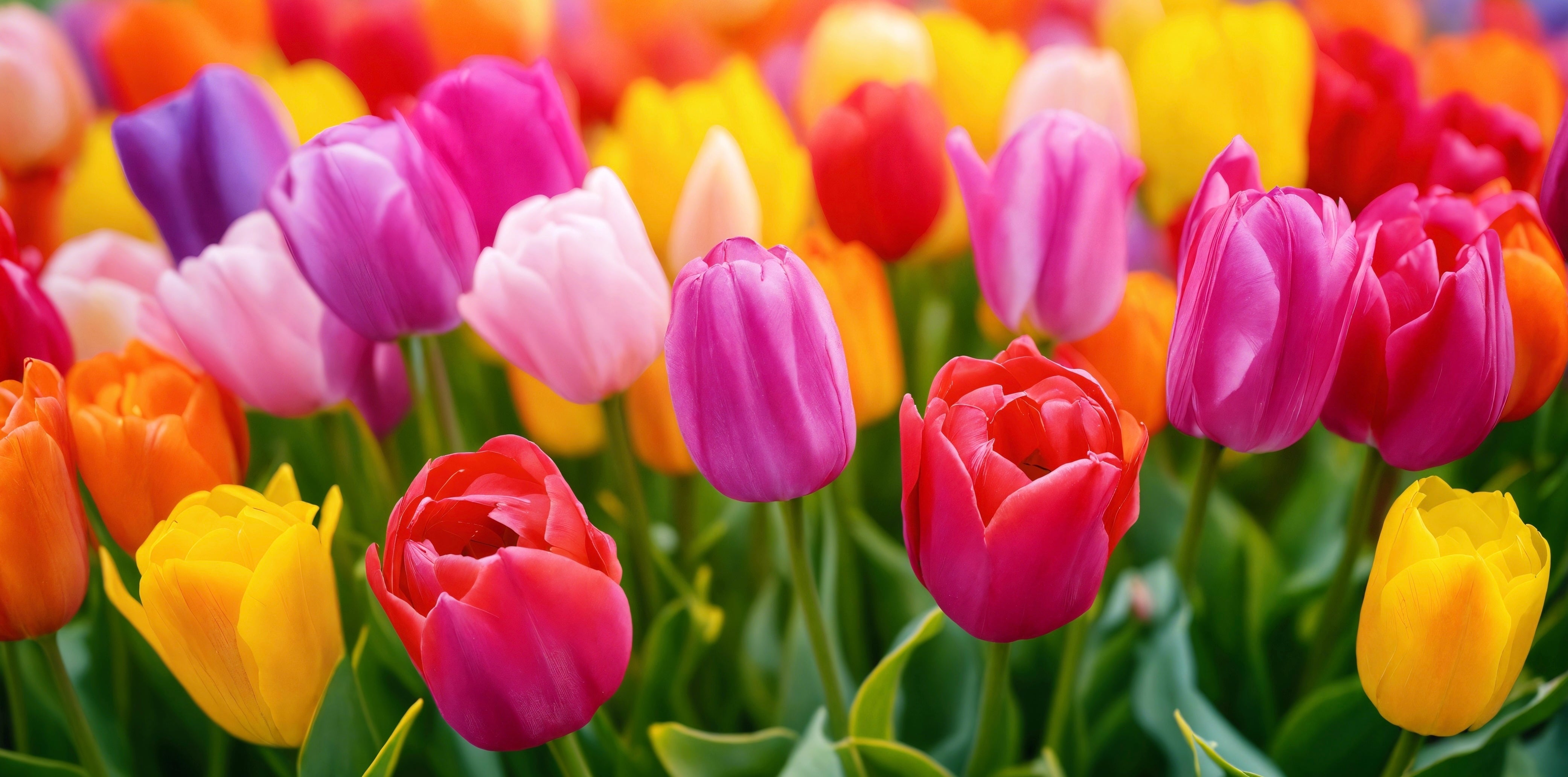
🌸 Gifting Flowers and Presents – In many countries, tulips, irises, chrysanthemums, and carnations are given as symbols of respect, appreciation, and admiration.
📣 Social Media Campaigns – Hashtags such as #IWD, #EmbraceEquity, and #GenderEquality raise awareness of ongoing global issues.
🏢 Corporate & Community Events – Discussions, workshops, and initiatives promoting leadership and inclusion.
Flowers have become one of the most recognizable traditions of International Women’s Day, representing gratitude, admiration, and support.
The Future of International Women’s Day
While significant progress has been made, gender inequality still exists in many areas — including wage gaps, representation in leadership, and access to education.
International Women’s Day remains an important reminder to reflect on achievements, raise awareness, and continue advocating for meaningful change.
Whether through activism, appreciation, or education, every action contributes to a more equal future.
💜 How will you celebrate International Women’s Day this year?

Ecrit par Elena Volkova
%20%E2%80%94%20a%20global%20day%20dedicated%20to%20honoring%20the%20achievements%20of%20women%20and%20advocating%20for%20gender%20equality.%0AToday,%20International%20W...)
Laisser un commentaire
Ce site est protégé par hCaptcha, et la Politique de confidentialité et les Conditions de service de hCaptcha s’appliquent.